What Should You Not Do When Selling a House?
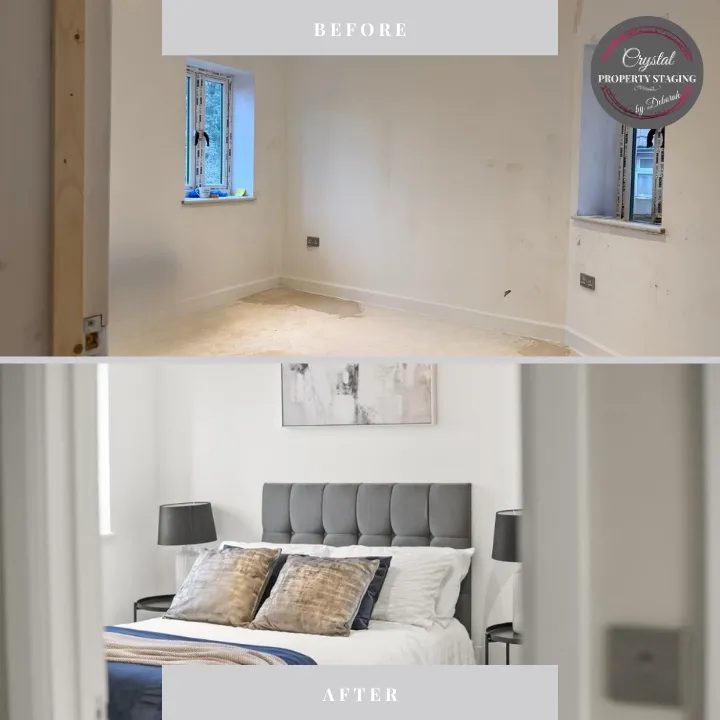
When you’re preparing a property for sale, it’s easy to focus on what you should do:
Declutter, clean, style, photograph well and make the home feel inviting.
But sometimes, the bigger issue is what you shouldn’t do.
The wrong staging choices can make a property feel smaller, colder, dated or less valuable than it really is. When buyers are scrolling quickly through Rightmove or Zoopla first impressions matter more than ever.
Property staging is not just about adding furniture. It is about presenting a home in a way that helps buyers emotionally connect, understand the space and feel confident enough to book a viewing or make an offer.
So, what should you avoid when staging a house?
1. Don’t Leave the Property Empty
One of the biggest mistakes sellers make is assuming an empty property looks bigger.
In reality, empty rooms often look smaller because buyers have no sense of scale. Without furniture it can be difficult to understand whether a room will fit a double bed, a dining table, a sofa or a desk.
Empty properties can also feel cold and unloved. Instead of imagining themselves living there buyers may focus on imperfections such as scuffed walls, tired carpets or awkward corners.
A staged property helps buyers see the lifestyle, not just the walls.
2. Don’t Overfill the Space
Staging is not about cramming a property with furniture.
Too much furniture can make rooms feel cramped and difficult to move around. It can also confuse buyers if they cannot clearly see the purpose of each space.
The aim is to create flow, balance and breathing room. Every piece should earn its place.
Good staging should make the home feel spacious, practical and easy to live in.
3. Don’t Use Furniture That Is the Wrong Scale
Furniture that is too big can overpower a room. Furniture that is too small can make the space feel awkward or cheap.
Scale is especially important in bedrooms, living rooms and open-plan spaces. Buyers need to understand how the room can be used in real life.
For example, a small bedroom may still work beautifully as a guest room, nursery, dressing room or home office but only if it is staged with the right proportions.
The right furniture helps buyers see possibility.
4. Don’t Ignore Your Target Buyer
A common mistake is staging a property based only on personal taste.
When selling the goal is not to design the home for you. The goal is to present it in a way that appeals to the most likely buyer.
A young professional, downsizer, family, investor or first-time buyer may all respond to different styling cues.
That does not mean the property needs to be bland. It means the styling should feel considered, appropriate and aspirational for the type of buyer you want to attract.
5. Don’t Make It Too Personal
Personal photos, strong collections, religious items, political items or very specific taste choices can make it harder for buyers to imagine themselves in the property.
When a home feels too personal buyers can feel like they are walking around someone else’s life rather than picturing their own.
Staging should create warmth and character without making the property feel overly individual.
The aim is not to strip out all personality. It is to create a welcoming, neutral foundation with enough style to feel memorable.
6. Don’t Forget the First Impression
Buyers form an opinion very quickly.
That first impression may come from the online photos, the front door, the hallway or the first room they walk into. If that moment feels flat, cluttered or tired it can influence how they view the rest of the property.
The entrance matters. The hallway matters. The first photo on the listing really matters.
Staging should guide buyers into the property with confidence and interest from the very beginning.
7. Don’t Ignore Lighting
Dark rooms can feel smaller, colder and less appealing.
Before photography or viewings, make sure curtains and blinds are open, bulbs are working and rooms feel as bright as possible.
Layered lighting can make a huge difference. Lamps, ceiling lights and natural light all help create atmosphere.
A well-lit home feels more inviting, more spacious and more saleable.
8. Don’t Leave Repairs and Touch-Ups Unfinished
Staging can transform a property but it is not a magic wand for obvious maintenance issues.
Scuffed walls, broken handles, loose fittings, stained carpets, cracked tiles or peeling paint can all make buyers question how well the property has been looked after.
Small repairs can have a big impact.
Before staging it is worth dealing with the visible issues that might distract buyers or give them a reason to reduce their offer.
9. Don’t Forget About Smell
Smell is a powerful part of a viewing.
Damp, pets, smoke, cooking smells or stale air can make a buyer feel uncomfortable before they have even properly looked around.
Fresh air, a deep clean and neutral, subtle scents can help create a much better viewing experience.
The goal is fresh and clean, not overpowering.
10. Don’t Style Every Room the Same
A property should feel cohesive but not repetitive.
If every room uses the same colours, same cushions and same accessories the home can feel flat and uninspiring.
Good staging creates a visual journey. Each room should have its own purpose and feel, while still connecting to the overall style of the property.
This is especially important for online photos. You want each image to encourage buyers to keep clicking through.
11. Don’t Forget the Lifestyle
Buyers are not just buying square footage. They are buying the idea of a better life.
A dining area can suggest family meals or entertaining friends. A reading corner can suggest calm. A home office can show flexibility. A beautifully dressed bedroom can feel like a retreat.
Staging should help buyers emotionally connect with the property.
That emotional connection is often what turns interest into offers.
12. Don’t Rely Only on Virtual Staging
Virtual staging can help buyers visualise a space online but it does not create the same experience as a physical viewing.
If buyers arrive expecting a beautifully presented home and instead walk into empty rooms the emotional impact can disappear.
Physical staging supports both the online listing and the in-person viewing. It helps buyers feel the space, understand the layout and imagine living there.
That is particularly important when you want strong offers, not just clicks.
13. Don’t Stage Only One Room and Ignore the Rest
Sometimes sellers consider staging just the living room or one main bedroom.
While this can help, it can also create a disconnect if the rest of the property feels empty or unfinished.
Buyers move through the whole home. If one room feels lovely but the rest feels cold or forgotten the emotional journey is broken.
A consistent presentation helps the whole property feel more valuable, more complete and more desirable.
14. Don’t Assume Buyers Can See Past Things
Sellers often say, “Buyers can see past that.”
Sometimes they can. Often, they cannot.
Many buyers struggle to visualise how a space could look, especially if it is empty, cluttered, dated or awkwardly laid out.
That is why staging is so powerful. It removes guesswork and gives buyers confidence.
The easier you make it for buyers to fall in love with the property, the more likely they are to act.
15. Don’t Treat Staging as an Afterthought
Staging should not be the final panic decision after weeks of poor interest.
The best time to think about staging is before the property goes live.
That way the photography, floorplan, video, listing and viewings all work together from day one.
A strong launch matters. Once a property has sat online for a while buyers may start to wonder what is wrong with it and price reductions can quickly become part of the conversation.
Staging early can help create momentum, stronger interest and better-quality offers.
16. Don’t Choose the Cheapest Option Without Considering the Result
It is natural to watch the budget when selling a property.
However, staging should be viewed as an investment in the sale, not just another cost.
The cheapest option may not create the right look, attract the right buyer or support the value you are trying to achieve.
The real question is not simply, “How much does staging cost?”
A better question is:
Could staging help me sell faster, reduce holding costs, avoid price reductions and attract stronger offers?
For many sellers, landlords and developers, the answer is yes.
Final Thoughts: Good Staging Helps Buyers Say Yes
When staging a house the biggest mistakes are usually linked to confusion, clutter, poor scale, lack of warmth or asking buyers to use too much imagination.
Successful staging makes the property feel easy to understand, easy to love and easy to buy.
It helps buyers walk in and think:
“I can see myself living here.”
And that is exactly what you want.
At Crystal Property Staging, we help homeowners, landlords and developers present their properties beautifully so they can stand out online, attract more serious buyers and sell with confidence.
If you are preparing a property for sale and want to understand what would make the biggest difference we would be happy to help.
Date: 29 June 2026