What Is Home Staging? (And Why It Helps Properties Sell Faster)

If you’ve ever walked into a property and instantly thought “ohhh, this is nice, I could live here”… that’s not an accident.
That’s home staging.
But what exactly is it—and why are more UK homeowners, landlords, and developers turning to it before putting a property on the market?
Let’s break it down.
What Is Home Staging?
Home staging is the process of preparing a property for sale by furnishing and styling it in a way that appeals to the widest possible audience.
It’s not interior design for living—it’s a strategic move – presentation for selling.
The goal is simple:
- Help buyers emotionally connect with the space
- Show each room’s purpose and potential
- Make the property stand out online and in person
In short: it helps buyers see a home, not just a house.
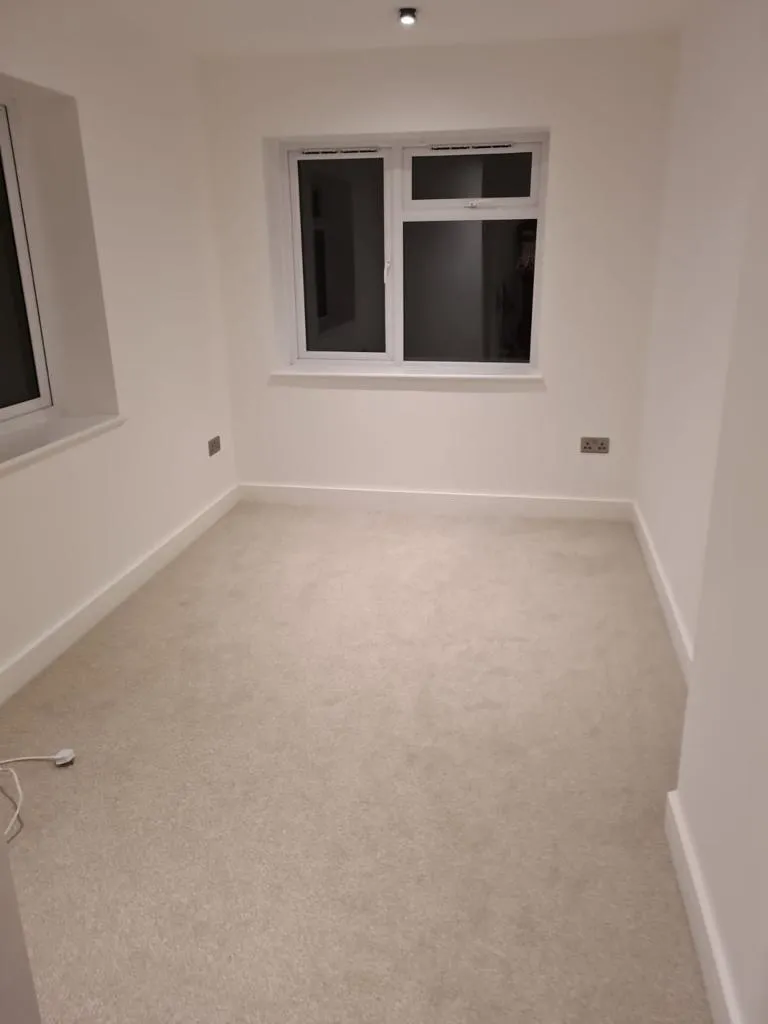
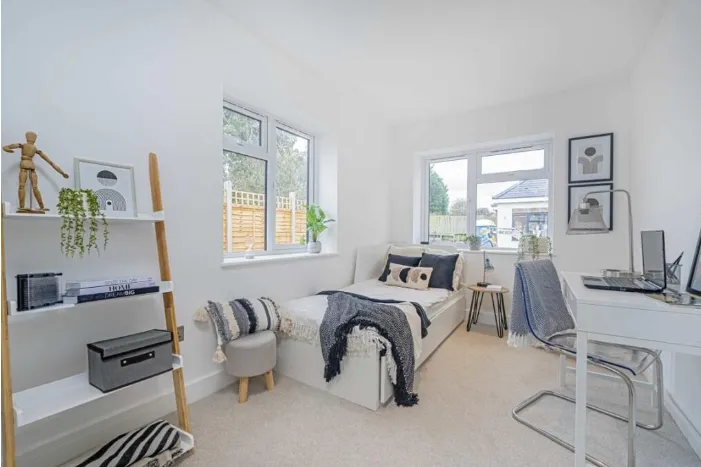
Why Does Home Staging Work?
Most buyers don’t buy based on logic alone—they buy based on how a property makes them feel.
Here’s the key stat:
Around 90% of buyers can’t visualise an empty space
That’s where staging comes in.
An empty property can:
- Feel smaller than it actually is
- Look cold and uninviting
- Highlight every flaw (marks, scuffs, awkward layouts)
A staged property:
- Feels warm, welcoming, and move-in ready
- Looks bigger with correctly scaled furniture
- Photographs beautifully for Rightmove and Zoopla
And in today’s market where most buyers scroll before they step inside—that first impression is everything.
What Does Home Staging Include?
Home staging can vary depending on the property, but typically includes:
- Furniture (sofa, beds, dining sets, etc.)
- Soft furnishings (rugs, cushions, throws)
- Lighting and accessories
- Artwork and styling details
- Layout planning to maximise space
For empty properties (like ex-rentals or new builds), this is often a full furniture install.
For lived-in homes it might be:
- Decluttering
- Rearranging furniture
- Styling with what you already have
Is Home Staging Worth It?
This is one of the most common questions—and it’s a fair one.
The simple answer?
Staging is almost always cheaper than a price reduction
For example:
- A £500,000 property dropping by just 2% = £10,000 loss
- Staging might cost a fraction of that
And beyond price:
- Properties often sell faster
- You attract more viewings
- You create stronger first impressions
It’s not just about making a property look nice—it’s about positioning it to perform better on the market.
When Should You Stage a Property?
The best time to think about staging is before the property goes on the market.
Ideally:
- Developers: factor it in from the planning stage
- Landlords: plan it when tenants give notice
- Homeowners: consider it before listing photos are taken
Because once a property hits the market… the clock starts ticking.
What Home Staging Is Not
Let’s clear up a common misconception:
Home staging is not:
- Expensive interior design for personal taste
- Renovation or structural work
- Filling a space with random furniture
It’s a targeted, strategic approach designed to appeal to buyers, not the current owner.
Final Thoughts
In a competitive property market, presentation isn’t a luxury—it’s a necessity.
Home staging helps bridge the gap between:
what a property is
and what a buyer feels it could be
And that emotional connection?
That’s what gets offers.
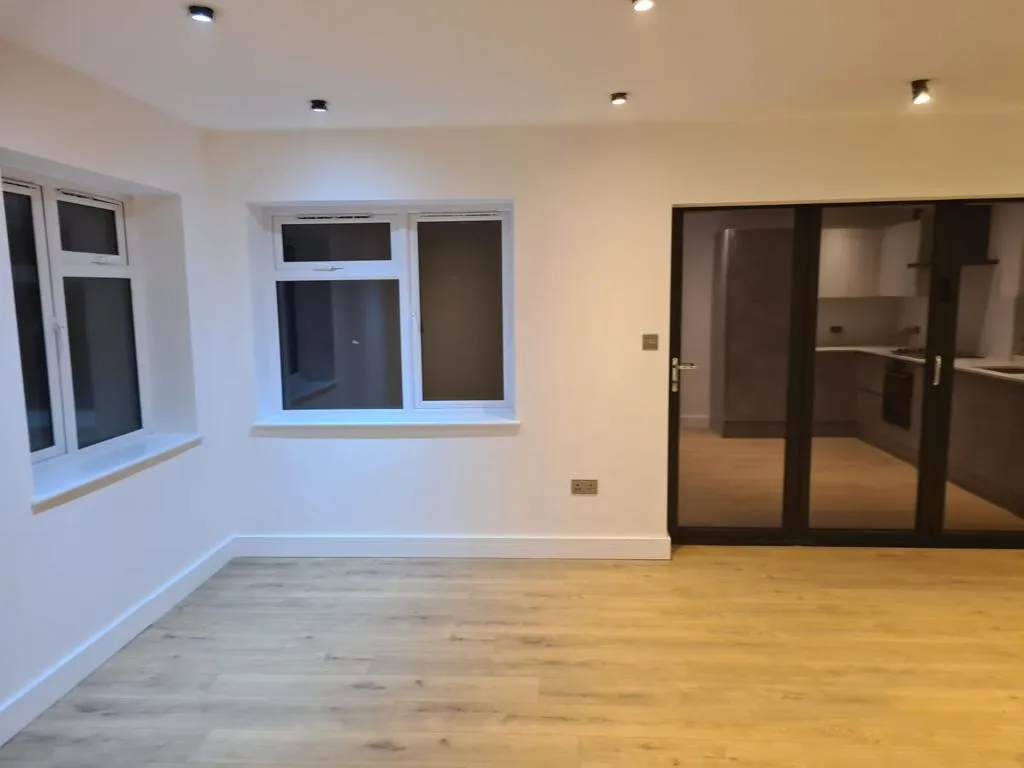
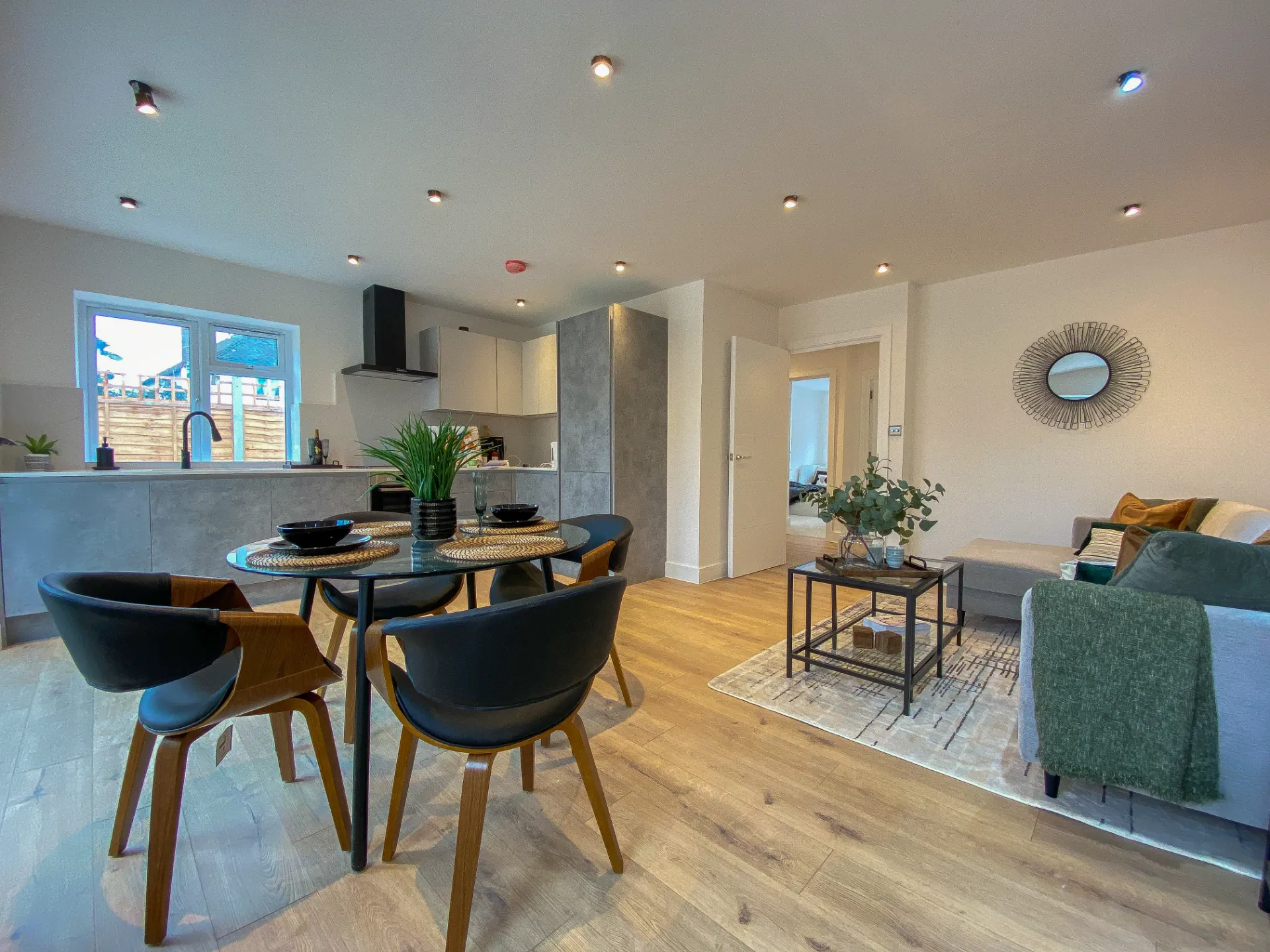
Thinking of Selling?
If you’re preparing to sell and want to understand whether staging could work for your property, the best place to start is a conversation.
At Crystal Property Staging, we help homeowners, landlords, and developers create that all-important first impression—quickly, professionally, and completely hands-free.
Book a free call to get tailored advice for your property
Date: 15 May 2026